


Whale Season in the Whitsundays: When to Visit & What to Expect
Most people picture the Whitsundays in summer. Blazing sunshine, turquoise water, and long days on the reef. But there’s a quieter, equally spectacular season that locals look forward to every year.
From June to September, the waters around the Whitsunday Islands become a highway for humpback whales, with up to 20,000 making the annual migration along the Queensland coast. They travel north from Antarctic feeding grounds to breed and calve in the warm, sheltered waters of the Coral Sea, and the Whitsundays sit right in the middle of the route.
If you’ve never experienced whale season in the Whitsundays, it’s something worth planning a trip around. Here’s everything you need to know.
When Is Whale Season in the Whitsundays?
Humpback whales typically arrive in the Whitsundays from mid-June, with sightings becoming more frequent through July, August, and into September. The peak months are July and August, when mothers and calves are most active in the sheltered bays between the islands. By early October, the migration turns south again and sightings taper off.
What makes the Whitsundays particularly special is the geography. The 74 islands create a network of calm, protected waterways that humpbacks favour for nursing their young. Unlike open-ocean whale watching, you’re often seeing whales in relatively close proximity to shore, with the islands as a backdrop.
How to See Whales in the Whitsundays
There are two main ways to experience whale season: dedicated whale watching tours, and general island or reef tours where whale sightings are a spectacular bonus.
Dedicated whale watching tours offer the most immersive experience. Whale Watching Whitsundays runs small-group half-day tours on a fast, purpose-built vessel with a maximum of six passengers. Morning and afternoon departures are available, and trips include a custom-built hydrophone so you can listen to whale song beneath the surface. It’s an experience that stays with you long after you’re back on dry land.
Whitsunday Paradise Explorer also offers seasonal whale watching from July to September, working closely with Whale Watching Whitsundays to provide a boutique, personalised experience on the water.
If you’re already planning an island day trip or reef excursion, whale sightings come as a brilliant bonus during season. Operators like Red Cat Adventures, Ocean Rafting, Big Fury, and Cruise Whitsundays all run regular tours through the Whitsunday Islands and out to the Great Barrier Reef.
Between June and September, it’s common to spot humpbacks breaching, blowing, or cruising alongside the boat en route to Whitehaven Beach or Hill Inlet. Skippers on smaller vessels like catamarans are often happy to adjust the itinerary if whales appear nearby.
What to Expect on a Whale Watching Trip
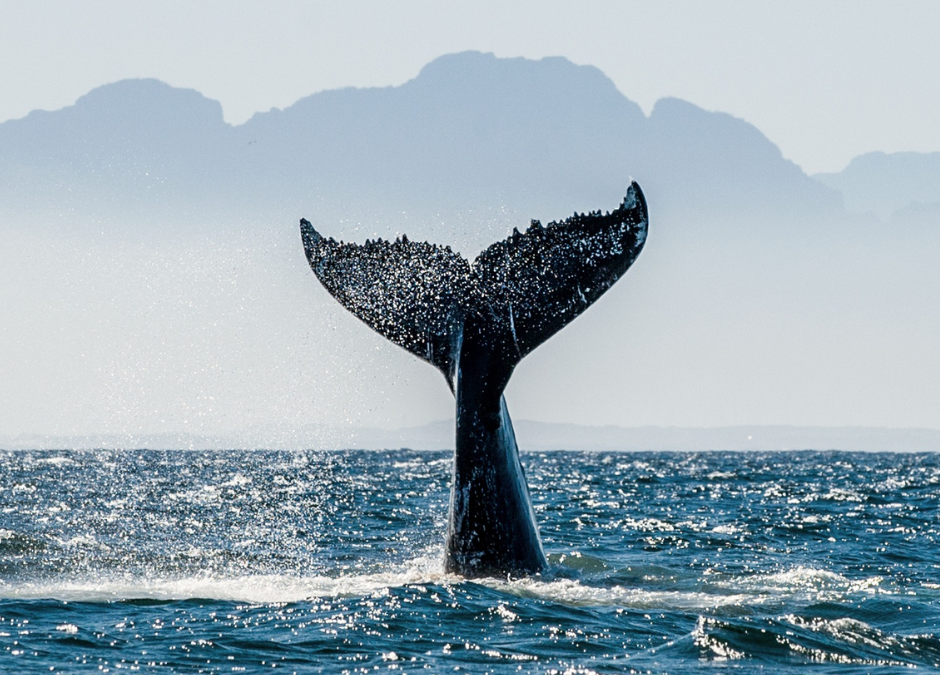
During peak season, whale sightings are almost a daily occurrence. You might see a full breach, where a humpback launches its entire body out of the water, or the more subtle signs: a blow spout on the horizon, a tail fluke slipping beneath the surface, or a curious calf rolling near the boat. Mothers with calves tend to stay in the calmer bays, so tours that head into the inner islands often have the best close encounters.
For first-timers, the scale of these animals is what hits you. Adult humpbacks grow to around 14 metres and weigh up to 40 tonnes. Seeing one surface just metres from the boat is a perspective shift that photos don’t quite capture.
A few practical tips: bring a decent camera with a zoom lens if you have one, wear layers (winter mornings on the water are cooler than you’d expect), and take seasickness tablets before you board if you’re prone to it. Most dedicated tours provide tea, coffee, and water, but pack snacks for the morning departures.
Can You See Whales from the Shore?
Yes, and it’s more common than people realise. Elevated lookout points along the coast and around the marina precinct offer decent vantage points during peak months.
You won’t get the close-up experience of a boat tour, but there’s something deeply satisfying about spotting a distant breach from the shoreline with a coffee in hand. Keep your eyes on the water in the early morning, as whales are often most active around dawn.
Why Winter Is the Whitsundays’ Best-Kept Secret
Whale season also happens to coincide with some of the best conditions for visiting the Whitsundays. Winter daytime temperatures sit comfortably in the low to mid-twenties, stinger season is over, and the crowds thin out considerably compared to the summer school holidays. The weather is generally more settled and predictable too, making it ideal for days out on the water.
For couples, it’s arguably the most romantic time to visit, with fewer people, milder weather, and the added magic of whale encounters. For families, the Queensland winter school holidays in late June and July overlap perfectly with early whale season.
Your Base for Whale Season
Mirage Whitsundays puts you right on the waterfront at Airlie Beach, walking distance from the marina where most whale watching and island tours depart. After a morning on the water, there’s nothing quite like coming back to a spacious, self-contained apartment with a balcony overlooking the Coral Sea. Cook up a late lunch in your own kitchen, settle into the lounge, and you might even spot a distant spout from the comfort of your living room.
The beauty of staying in a self-contained apartment rather than a hotel room is the space to spread out and actually live in the destination, especially on a longer winter getaway when you’re in no rush to be anywhere.
Plan Your Whale Season Escape
Whale season fills up quickly, particularly during the July school holidays and the peak August weeks. If you’re thinking about a winter trip to the Whitsundays, it’s worth booking your accommodation and whale watching tours well in advance.
Browse our waterfront apartments and start planning your whale season getaway at Mirage Whitsundays. For more on what to see and do during your stay, explore our Airlie Beach guide.